Celebrity real-estate stories often focus on eye-catching prices, impressive architecture or famous names attached to a property. But a November 17 Guardian report explores a less obvious reason stars sometimes buy homes once owned by other celebrities: properties suited to high-profile lives can be difficult to find, and a previous celebrity owner may signal that a home already meets some unusual requirements.
Privacy can be a defining feature
The Guardian’s report discusses practical features such as gated access, secluded grounds, space for staff and protection from unwanted attention. For people whose public profiles attract fans, photographers or curious visitors, those details can matter as much as the kitchen, pool or view. A home designed for privacy may be more attractive to a high-profile buyer than a property with a more conventional layout.
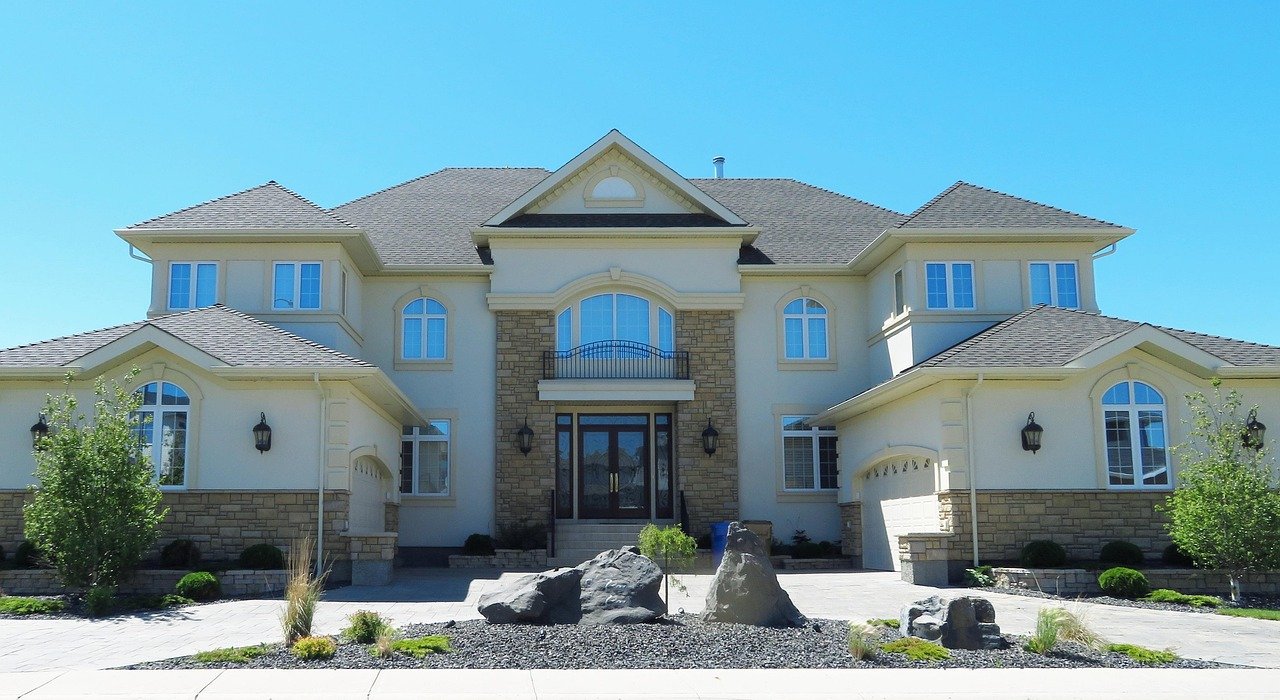
Why a famous former owner can matter
A property’s history can function as a kind of informal signal. If another public figure previously lived there, buyers may assume the home has already been adapted for a level of privacy and security that ordinary listings do not always provide. That does not mean every celebrity-owned home is automatically suitable, but it can make a property more visible within a small network of agents, advisers and potential buyers.
Some transactions also take place off-market. A private sale can reduce the amount of public attention surrounding a property, limit the circulation of interior photographs and allow buyers and sellers to negotiate without a widely advertised listing. The Guardian notes that this approach can be appealing when privacy is a priority.

The trade-off between visibility and discretion
Public listings can offer broad exposure, but they can also reveal a great deal about a home. Photographs may show personal collections, room layouts and details that owners would prefer to keep private. The Guardian uses Joe Pesci’s former New Jersey mansion as an example of how listing images can expose intensely personal objects and décor choices to a wide online audience.
For celebrity sellers, that creates a tension. A public listing can reach more potential buyers, while a discreet transaction can limit exposure. The best route depends on the property, the market and the seller’s priorities. It is not possible to say that off-market sales are always better or that celebrity buyers always prefer them.
What this reveals about luxury lifestyle
Luxury housing is often described through size, finishes and price. For high-profile residents, the experience of living in a property can also depend on access, security, surrounding land and the ability to move through daily life with fewer interruptions. Those features are not necessarily visible in a glossy photograph, but they can shape the value a buyer places on a home.

Recent celebrity property coverage
Recent headlines show how varied celebrity property stories can be. TopRateHub has covered Bella Hadid’s reported Colorado purchase and Kris Jenner’s holiday home display. One story is about a reported acquisition; the other is about how a public figure presents a home for the season. Both illustrate why celebrity homes remain a strong lifestyle topic even when the underlying news is very different.
The bigger picture
The celebrity-to-celebrity property market is not simply a parade of expensive houses. It is also a market shaped by privacy, reputation, convenience and a limited supply of homes that can accommodate high-profile living. A famous former owner may make a property more recognizable, but the practical qualities of the home are what ultimately determine whether it suits a new buyer.
Sources: The Guardian, November 17, 2026.
Design, security and the everyday experience of a home
High-end residential property is often photographed to emphasize dramatic entrances, large windows, pools and landscaped grounds. Those features can make a strong first impression, but they do not tell the whole story of how a home functions. A buyer may pay close attention to the street, neighboring properties, vehicle access, sightlines and the practical routes used by household staff. For a public figure, these less glamorous details can have an outsized effect on comfort and privacy.
Celebrity ownership can also add a layer of public curiosity that is not always helpful to a seller. A home may attract attention because of its previous resident, yet the new owner may prefer to keep the transaction and the property’s interior out of the headlines. This is one reason discreet marketing can be attractive in some cases, even though it limits the pool of potential buyers compared with a fully public listing.
For readers following this development, the key is to distinguish a confirmed public action from wider interpretation. The available reporting provides a useful snapshot, but it does not answer every question about future plans, private arrangements or commercial terms. Any additional detail should be added only when it is supported by a direct statement, an official announcement or reliable documentation. That careful approach keeps lifestyle reporting informative without turning limited public information into speculation.